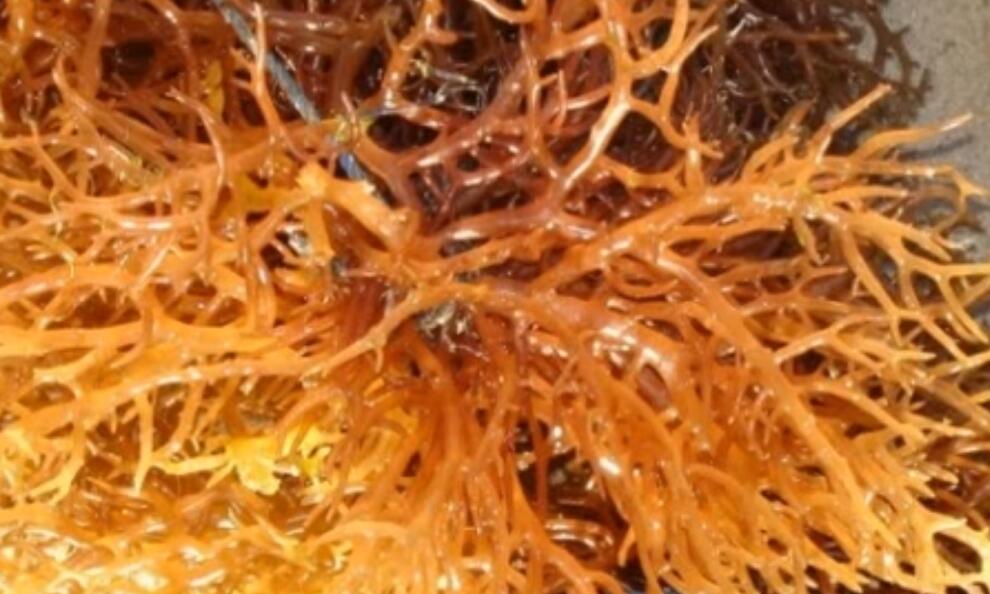
Eucheuma cottonii often shortened to E. cottonii is more than just a red seaweed growing on tropical coastlines. For the global carrageenan industry, it is the cornerstone raw material that enables a wide range of industrial applications from food stabilizers to pharmaceutical excipients and cosmetic thickeners. Understanding the biology, cultivation practices, processing pathways, and supply chain dynamics of Eucheuma cottonii is essential for manufacturers, buyers, and stakeholders who rely on predictable quality and sustainable sourcing. This article explores why E. cottonii matters, how it’s transformed into carrageenan, and what industry players need to know to remain competitive and compliant.
What is Eucheuma Cottonii?
Eucheuma cottonii is a red macroalga belonging to the Rhodophyta phylum. It thrives in shallow, warm tropical waters primarily in Southeast Asia, with Indonesia and the Philippines among the largest producers. The plant has a reddish-purple color and branching morphology that makes it suitable for farm cultivation. Unlike many wild seaweeds, E. cottonii adapts well to long-line and off-bottom farming techniques, allowing coastal communities and commercial farms to produce biomass at scale. Its biochemical composition rich in sulfated galactans makes it an ideal feedstock for carrageenan extraction.
From Seaweed to Carrageenan: Processing Overview
The conversion of Eucheuma cottonii into carrageenan involves several steps that must be carefully controlled to preserve yield and chemical characteristics. Harvested seaweed is first rinsed to remove sand, epiphytes, and salt. It is then dried sun-drying or low-temperature drying are common until the moisture content reaches an industry-acceptable level for transport and storage. In processing facilities, the dried biomass undergoes alkali treatment, usually with sodium hydroxide, which modifies the polysaccharide chains and enhances gelling properties. Subsequent washing, filtration, and bleaching steps yield carrageenan fractions (kappa, iota, lambda) with varying gel strength, viscosity, and applications. Each processing parameter—alkali concentration, temperature, soaking time directly affects carrageenan’s functional properties, making raw material consistency critical.
Industrial Applications: Why Carrageenan Matters
Carrageenan extracted from E. cottonii finds applications across many sectors due to its thickening, gelling, and stabilizing properties. In the food industry, carrageenan enhances texture and shelf life in dairy products (e.g., chocolate milk, yogurt), meat products (to retain moisture), and plant-based alternatives (improving mouthfeel in dairy-free milks and desserts). In pharmaceuticals, it serves as an excipient and controlled-release agent in tablets and as a stabilizer in topical formulations.
Cosmetic and personal care manufacturers rely on carrageenan for creams, lotions, and shampoos that require stable viscosity and a pleasant sensory profile. Beyond consumer goods, carrageenan also has niche industrial uses such as drilling fluids and adhesive formulations where its rheological behavior offers technical benefits.
Quality Parameters and Grading
For industrial buyers, not all Eucheuma cottonii is created equal. Quality grading typically considers factors such as moisture content, ash content, purity (levels of extraneous material), and the seaweed’s carrageenan yield and sulfate pattern. High-quality raw material leads to higher extraction yields and more consistent functional properties, reducing downstream processing costs and variability.
Traceability knowing which farm or cooperative supplied the batch and under what drying/handling conditions is increasingly demanded by large manufacturers to comply with food safety, sustainability, and corporate social responsibility requirements.
Supply Chain Dynamics and Market Drivers
The E. cottonii supply chain is complex, spanning smallholder farmers, aggregators, processors, and global buyers. Market dynamics are influenced by weather patterns, coastal environmental conditions, labor availability, and global demand for carrageenan in food and non-food segments.
Price volatility in raw seaweed markets can ripple through to processors; likewise, shifts in consumer preferences such as rising demand for plant-based products can increase demand for carrageenan as formulators seek texturizing agents. Sustainability initiatives, including responsible harvesting and reduced chemical usage, are shaping procurement policies of major carrageenan buyers and pushing the industry toward certification and better traceability mechanisms.
Sustainability and Social Considerations
Sustainable cultivation of Eucheuma cottonii matters both environmentally and socially. Well-managed seaweed farms can enhance local livelihoods by providing a reliable cash crop for coastal communities. However, poor practices overharvesting wild populations, unsustainable farm siting, or runoff from processing can damage ecosystems.
Industry players are increasingly adopting best practices: seedling rotation, limiting chemical inputs, waste management in processing plants, and engaging in community development initiatives. Certifications, third-party audits, and digital traceability tools are gaining traction as mechanisms to prove sustainability claims to end customers and regulatory bodies.
Challenges Facing the Industry
Several challenges persist for stakeholders tied to E. cottonii. Climatic variability, including storms and changing sea temperatures, can reduce yields or damage farms. Quality control across numerous small producers is difficult without investment in training and infrastructure. Processing chemicals and effluents, if improperly managed, can create environmental liabilities and regulatory friction. Finally, competition from alternative hydrocolloids like xanthan gum or modified starches means carrageenan producers must continuously demonstrate cost-effectiveness and superior functionality to maintain market share.
Opportunities and Innovation
Despite challenges, opportunities abound. Advances in cultivation techniques—such as selective breeding for higher carrageenan yield, improved planting materials, and farm mechanization—can raise productivity. Process innovation that reduces alkali use, enhances extraction efficiency, or captures waste biomass for biogas or fertilizer adds both economic and environmental value.
Growing demand for clean-label, plant-based ingredients in food and cosmetics also positions carrageenan as a valuable, natural hydrocolloid. Lastly, integrating smallholder farmers into certified supply chains and offering premium prices for sustainably produced E. cottonii creates a win-win for communities and buyers.
Best Practices for Buyers and Processors
To secure reliable supply and consistent quality, buyers and processors should prioritize several best practices. Invest in long-term supplier relationships and capacity building for farmers to improve agronomy and post-harvest handling. Implement rigorous sampling and testing protocols for moisture, ash, and carrageenan yield. Encourage sustainable farming practices and consider traceability systems that record farm origin, drying method, and batch handling. For processors, optimizing alkali treatment parameters and investing in effluent treatment systems not only improves product quality but also reduces regulatory risk and long-term costs.