
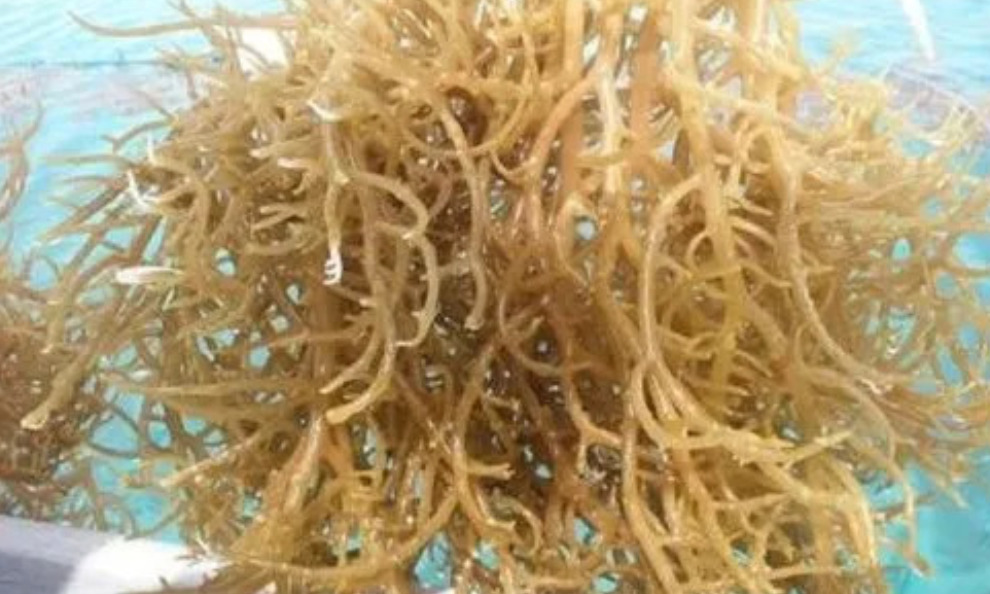
Eucheumacottonii.com – Eucheuma cottonii, often referred to as red seaweed or by its commercial name, Kappaphycus alvarezii, plays a crucial role in a global supply chain that stretches from simple coastal farms to sophisticated carrageenan factories. With the demand for natural hydrocolloids on the rise in food, pharmaceutical, and industrial sectors, this hardy seaweed has become essential for communities, processors, and manufacturers of end products.
This article follows the journey of Eucheuma cottonii, starting from the shallow nearshore farms where it’s grown, through the harvesting and preprocessing stages, all the way to the chemical and mechanical processes that factories use to transform the biomass into semi-refined and refined carrageenan. It also explains how each step impacts quality, value, and sustainability.
Cultivation: how coastal farms produce the raw material
Farming Eucheuma cottonii is often quite low-tech in many areas, which is one of the reasons it has quickly spread along tropical coastlines. Farmers usually employ off-bottom or long-line (rope) culture systems in shallow, nutrient-rich reef flats or sheltered bays. They tie young cuttings (propagules) to lines or stakes and let them grow for several weeks to months, depending on local conditions and how much biomass they want to achieve.
The seaweed’s rapid growth and relatively easy maintenance allow smallholder households to manage dozens to hundreds of square meters of culture, making it a viable livelihood option in countries like the Philippines and Indonesia—two of the historically leading producers that have been scaling up carrageenan supply since the 1970s.
Harvesting and primary processing at the farm level
When the fronds reach a size suitable for the market, farmers harvest them by hand, often cutting parts of the plant so it can regrow. The immediate handling after harvest is crucial: leaves are rinsed in seawater to get rid of debris, then sun-dried or mechanically dried to lower moisture levels, and finally bundled for transport.
Drying is especially important because the moisture content significantly affects shipping costs, the risk of spoilage, and the efficiency of downstream extraction. In cases where drying is inconsistent or reliant on the weather, factories might need to do extra washing and drying steps; however, well-dried, clean seaweed fetches higher prices and results in better carrageenan quality.
Logistics: transporting dried biomass to the factory
Once the seaweed is dried, local collectors or cooperatives gather it up and transport it to processing hubs. This logistics phase connects numerous small coastal harvesters with larger processors and exporters. The condition of the dried seaweed upon arrival—its color, moisture content, any foreign materials, and microbial load—will dictate whether it goes straight into semi-refined carrageenan processing, needs further cleaning and refining, or is downgraded for lower-quality uses.
Aggregation points typically offer basic grading and quality control, but the real value is found with processors who can reliably source high-quality, traceable biomass.
Factory processing: extraction, purification, and product forms
At the factory, Eucheuma cottonii undergoes a series of chemical and mechanical processes aimed at extracting and purifying the carrageenan polysaccharides. While there are some variations based on the final product (semi-refined versus refined carrageenan) and the technology used by the processor, the main steps tend to follow a consistent pattern.
1. Rehydration and alkaline pretreatment
Dried seaweed is rehydrated and often treated with a mild alkali (commonly KOH or NaOH). Alkali treatment improves gel properties by modifying sulfate patterns and increasing the proportion of 3,6-anhydro-galactose, which strengthens gel formation. The concentration, temperature, and duration of alkaline extraction are key variables that processors optimize to balance yield and functional quality.
2. Hot extraction
The pretreated biomass is heated in water or alkaline solution to solubilize carrageenan. Typical extraction temperatures fall in the 60–80°C range, and higher temperatures can improve yield but may demand more energy and careful process control.
3. Filtration and solids separation
The liquefied extract is separated from insoluble residue using filtration and pressing. For semi-refined carrageenan (SRC), a portion of the non-carrageenan solids may remain, while fully refined processes remove more impurities.
4. Precipitation and purification
Carrageenan is precipitated from solution using alcohols (isopropanol or ethanol) or by adding salts such as potassium chloride, depending on the product specification. Further washing and bleaching stages may be applied to achieve the clarity, color, and purity required by food or pharmaceutical standards.
Read more article: Marketing Strategies for Gracilaria Seaweed: From Coastal Villages to the Global Market
5. Drying and milling
The precipitated carrageenan is dewatered, dried to a stable moisture level, and milled into powders or flakes. Particle size, moisture, and ash content are among the critical quality attributes that determine market grade.
These factory operations take the varying production from coastal sources and turn it into standardized hydrocolloid products. This ranges from semi-refined grades used in specific food and pet food applications to highly refined carrageenans that comply with the stringent standards of the pharmaceutical and dairy industries.
Quality parameters and their connection to farming practices
Not all carrageenan is the same. Eucheuma cottonii typically produces kappa-type carrageenan, which is highly valued for its strong, firm gels that are perfect for dairy, meat, and dessert applications. Key quality metrics include gel strength, viscosity, sulfate content, and the presence of residual ash or heavy metals.
Each of these characteristics is shaped by a mix of genetic and biological factors (like strain or cultivar), environmental conditions (such as nutrients and water temperature), and how the product is handled after harvest (including drying speed and contamination control). For instance, the method of alkaline pretreatment and the extraction temperature can greatly impact gel properties, which is why processors collaborate closely with suppliers to ensure consistent inputs.
Let’s dive into the world of carrageenan and see where it fits in!
Carrageenan is a real multitasker. It stabilizes, thickens, emulsifies, and gels, making it a must-have in various food sectors like dairy, plant-based milks, processed meats, and desserts. But it doesn’t stop there; you’ll also find it in personal care products like toothpaste and lotions, as well as in industrial applications such as oil drilling fluids and paints.
When it comes to the market, products are categorized by their functional performance rather than just their botanical origins. However, the plentiful supply of Eucheuma cottonii has historically kept kappa-carrageenan available and competitively priced around the globe. This connection from farm to end product shows how enhancements in cultivation or preprocessing can significantly impact product formulators who are looking for consistent results.
Now, let’s talk about the socioeconomic and environmental aspects.
Farming Eucheuma cottonii has become a vital source of income for many coastal communities. With relatively low startup costs and quick cultivation cycles, it can boost household incomes and help diversify economies that rely on fishing. But there are some trade-offs to consider: if not managed properly, monoculture farming can disrupt local ecosystems; inconsistent drying or poor handling can compromise quality; and fluctuations in global prices can put small farmers at risk. Thankfully, various development programs and research initiatives are working to optimize harvest timing, enhance post-harvest practices, and strengthen cooperative buying power to help local communities capture more value.
Looking ahead, the industry is evolving.
We’re seeing technological advancements like solar drying tunnels, mechanized grading at aggregation hubs, and more energy-efficient extraction methods being tested to cut costs and lessen environmental impacts. At the same time, selective breeding and strain selection are being explored to boost disease resistance and increase carrageenan yield per hectare of farmed seaweed. As the demand for plant-based and clean-label ingredients continues to rise, the future looks promising for this versatile ingredient!