
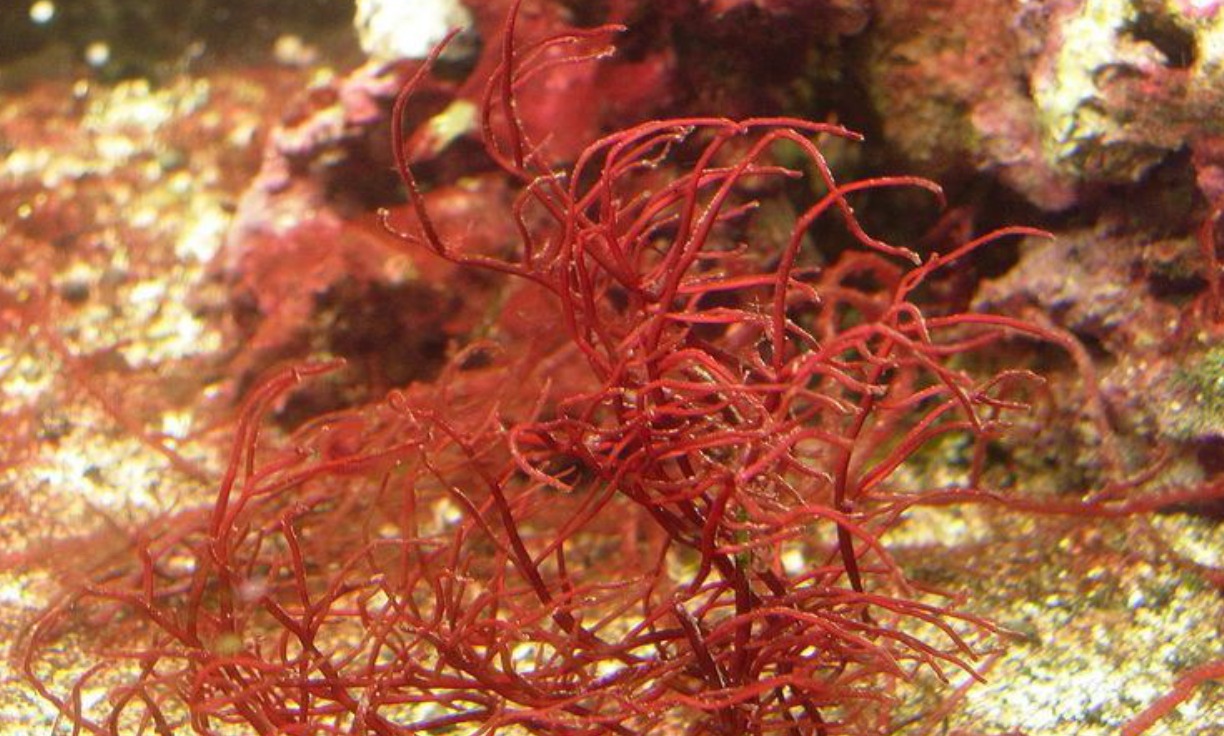
eucheumacottonii.com – Gracilaria is a fascinating group of red seaweeds that are commonly harvested in temperate and tropical coastal waters. In Korea, it holds a unique spot in the culinary world, straddling the line between a fresh seafood ingredient and an industrial raw material. It can be enjoyed as a fresh, green addition to dishes, seasoned and eaten right away, while also serving as the source of agar, a plant-based gelling agent that’s found in many processed and homemade foods.
This article takes you on a journey from the harvest of Gracilaria to its presentation on the plate, shedding light on why chefs, home cooks, and food manufacturers cherish it for its texture, delicate marine flavor, and surprisingly beneficial nutritional profile. I’ll delve into what Gracilaria is, highlight its key nutritional benefits, explore how Koreans incorporate it into their cooking, and provide some handy tips for cooking and storing it for those eager to give it a try at home.
Gracilaria is a term that encompasses various species of red algae, known for their slender and often branching fronds. This fascinating seaweed clings to rocks or other sturdy surfaces in the intertidal and shallow subtidal zones, and it’s typically harvested by hand or with simple tools. Once collected, Gracilaria can be enjoyed fresh, lightly blanched, or dried in the sun or oven for longer storage. It can also be processed into agar through a careful extraction and purification process.
The journey from sea to table can be quite short just handpicked, rinsed, and tossed into a salad or it can be a longer process involving industrial extraction to create a neutral, shelf-stable ingredient. This ingredient is commonly found in many Korean dishes and global cuisines, serving as a gelling, stabilizing, or clarifying agent. The variety of ways Gracilaria can be handled after harvest is what makes it so versatile: minimal processing keeps its oceanic essence intact, while extraction turns it into a valuable food additive.
Red seaweeds, like Gracilaria, are not just appreciated for their unique texture and flavor; they also pack a punch when it comes to nutrients that work well alongside our everyday land-grown foods. These seaweeds are generally low in calories and fat, and they offer dietary fiber in a special form of algae polysaccharides that can boost gut health and enhance culinary experiences.
Seaweeds are known for their ability to absorb minerals from seawater, making Gracilaria a great source of iodine, calcium, magnesium, potassium, and iron each of which plays vital roles in our metabolism and overall body structure when enjoyed in moderation. Plus, it has a bit of protein and some B-vitamins and antioxidants, like carotenoids and polyphenols, which can help support cellular health and combat oxidative stress when included in a balanced diet.
Since seaweeds can concentrate minerals, the mineral content can differ based on the species, where they’re found, and the time of year. Iodine, often linked to seaweed, is a valuable nutrient in the right amounts, as it supports thyroid function. However, like other concentrated minerals, it’s best to consume it as part of a well-rounded diet rather than in excessive daily doses.
The polysaccharides found in Gracilaria, much like other marine fibers, act as soluble fiber: they can help slow down how quickly your stomach empties, promoting a sense of fullness, and they might interact with the gut microbiome in ways that scientists are currently exploring.
When it comes to health benefits, Gracilaria has quite a bit to offer. Packed with fiber and low in calories, it’s a great choice for those looking to feel full while watching their weight. Plus, it’s rich in minerals like calcium and magnesium, which are fantastic for keeping your bones strong and your metabolism running smoothly. Iron is another key player here, helping with oxygen transport in the body.
The antioxidant properties found in red algae can also help shield your cells from oxidative stress. And let’s not forget about agar and other polysaccharides from Gracilaria, which can act as prebiotic fibers, potentially giving your gut health a nice boost. Just remember, while Gracilaria is a wonderful addition to your diet, it’s best enjoyed as part of a balanced meal plan no single food can work miracles on its own!
Korean cuisine is all about striking a balance between taste, texture, and the joy of sharing meals together. Gracilaria, a type of seaweed, plays a unique role here, adding a delightful texture and a hint of marine flavor without overwhelming the palate. It serves two main purposes in the kitchen:
When you find Gracilaria fresh or just lightly blanched, it’s perfect for dressing up as part of banchan (those tasty side dishes) or in light salads. Its natural juiciness and slightly crunchy, slippery feel make it ideal for cold dishes. You can toss it with vinegar, sesame oil, minced garlic, and a splash of soy or fish sauce, then sprinkle on some sesame seeds and scallions. It can also be mixed with thinly sliced veggies to create a refreshing palate-cleanser. In these dishes, it’s quite similar to other seaweed salads enjoyed throughout East Asia, providing a nice contrast to richer or spicier flavors.
Gracilaria is also a key source of agar, a versatile, heat-stable gelling agent that’s used all over the world. In Korea, agar derived from Gracilaria finds its way into homemade and commercial jellies, desserts, and gels made from fruits or vegetables where a neutral, firm gel is just what you need. You’ll see agar in modern takes on traditional sweets, in clear fruit jellies that highlight seasonal ingredients, or as a stabilizer in various processed foods. Its mild flavor and dependable setting qualities make agar a go-to choice whenever a firm, non-melting gel is required.
Gracilaria isn’t just for salads and gels; it’s incredibly versatile! You can toss it into soups and broths to add a nice body and a hint of marine umami. It’s also great for pickling or fermenting in small batches. Plus, it works wonderfully as a cured or preserved ingredient, giving a delightful texture to rice bowls, cold noodle dishes, or seafood platters. Chefs who are diving into modern Korean cuisine love using dried Gracilaria powders as a seasoning or to infuse sauces and dressings with a marine flavor, enhancing savory dishes without making them too salty.
If you’re just starting out with Gracilaria, keep it simple. First, make sure to rinse fresh Gracilaria really well to get rid of any sand and leftover salt. Then, give it a quick blanch in boiling water for about 10 to 30 seconds, and immediately plunge it into ice water to lock in that vibrant color and crisp texture before you dress it up. For dried Gracilaria, a short soak will do the trick to rehydrate those fronds, but keep an eye on it since some varieties can puff up quite a bit. And when you’re working with agar derived from Gracilaria, remember that it sets at room temperature and becomes firm, which is different from gelatin that tends to melt more easily.
Storing it is pretty straightforward: fresh seaweed doesn’t last long, so it’s best to use it within a few days if you keep it in the fridge. On the other hand, dried or powdered Gracilaria can hang out in your cool, dry pantry for months, and commercially made agar blocks or powders can last even longer if they’re sealed up tight. Just a heads up—because of the minerals in seaweed, it’s wise to go easy on the salt when you’re cooking with it, especially if you’re watching your iodine intake due to diet or medications.
Gracilaria plays a dual role as both a hand-harvested sea vegetable and an industrial crop, which brings up some important sustainability issues. When it’s harvested responsibly, with care for local ecosystems, seasonal changes, and the livelihoods of communities, Gracilaria can really boost coastal economies while providing a low-carbon source of nutrition. However, overharvesting or using harmful methods can wreak havoc on habitats. So, when you shop, look for suppliers who prioritize sustainable practices or opt for responsibly farmed products. This way, you can enjoy your sea-to-table meals without compromising the health of our oceans.
