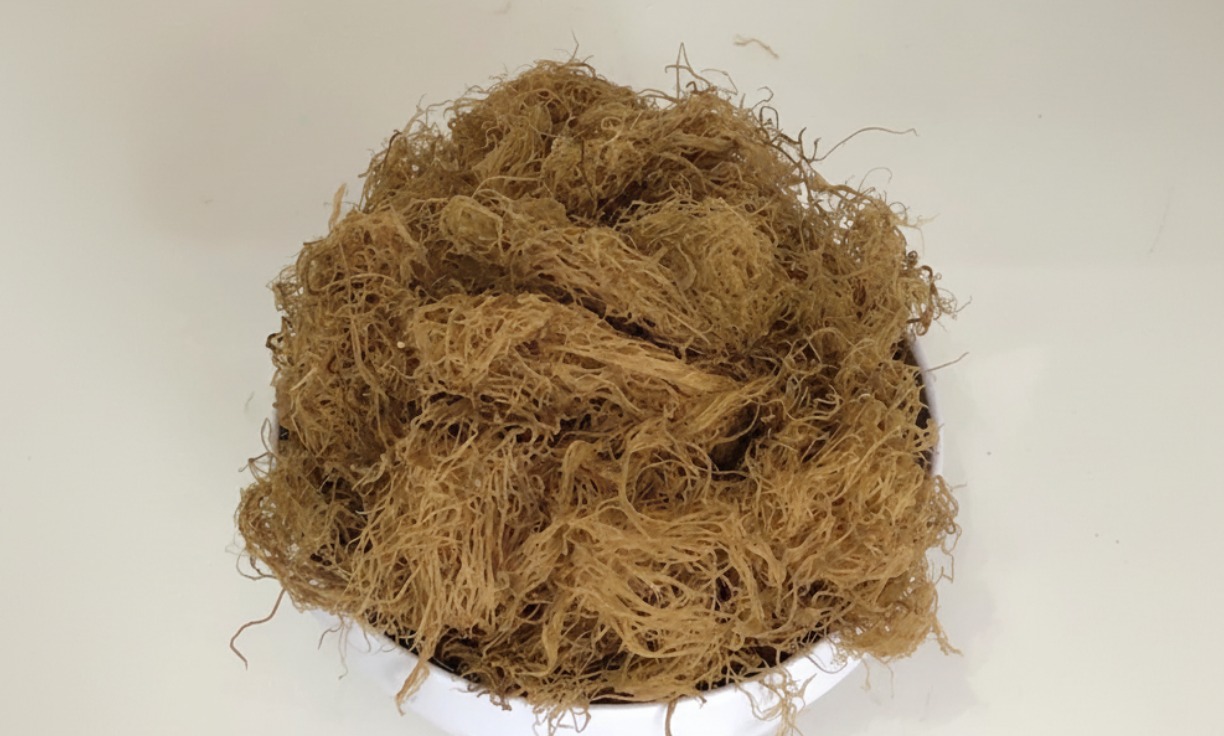
eucheumacottonii.com – Gracilaria, a type of red seaweed, is becoming increasingly important in conversations about the blue economy in Korea. This genus is not only widely cultivated for its agar, food, and industrial applications, but it also offers significant ecological benefits and commercial flexibility. As countries aim for sustainable growth based on ocean resources, Gracilaria shines as a key player that can enhance coastal livelihoods.
In this article, we’ll dive into why Gracilaria is vital for Korea’s blue economy, discuss the environmental and social perks of responsible seaweed farming, highlight the challenges we face, and suggest practical ways to expand its positive impact while safeguarding coastal communities.
What is Gracilaria and why does it matter?
Gracilaria is a type of fast-growing red seaweed that’s really valued for its polysaccharide agar, which finds its way into food, biotechnology, pharmaceuticals, and labs. But it’s not just about commercial use; Gracilaria is also enjoyed fresh or processed in various East Asian dishes. Plus, it can be added to livestock feed or serve as a raw material for bioplastics and cosmetics. With its quick growth, minimal input needs (no fertilizers or freshwater required), and a wide range of market uses, Gracilaria stands out as a fantastic aquaculture crop, especially for countries with long coastlines like Korea.
Economic importance: diversified value chains and market potential
Seaweed farming creates layered economic opportunities. For Gracilaria specifically:
- Value-added processing: Agar extraction and refinement, dried products for culinary markets, and specialty ingredients for cosmetics or nutraceuticals increase per-unit value compared with raw biomass.
- New markets and innovation: Biotech, food tech, and materials science are expanding demand for seaweed-derived compounds, enabling exports and high-margin domestic industries.
- Year-round income potential: Unlike seasonal capture fisheries, managed Gracilaria farms can provide more predictable production cycles and diversified income streams for coastal households.
- Employment across the chain: From seeding and farm maintenance to harvesting, processing, packing, and logistics, the Gracilaria value chain supports a spectrum of jobs including for women and young entrepreneurs often excluded from traditional fisheries.
- For Korea, which has an advanced processing sector and strong food and biotech industries, Gracilaria offers a bridge between traditional coastal livelihoods and modern marine-based manufacturing.
Social impact: strengthening coastal communities
Seaweed farming is inherently local and labor-intensive in specific stages, which translates into tangible social benefits:
- Job creation and income diversification: Small-scale farmers can supplement fishing with seaweed cultivation, reducing pressure on depleted fish stocks and smoothing household incomes.
- Community-based enterprise models: Cooperative and community-run farms enable shared investment in gear, processing facilities, and marketing spreading risk and improving bargaining power.
- Women’s participation: Processing and value-added tasks often create roles that are accessible to women, increasing household resilience and gender-balanced economic participation.
- Skill development and rural retention: Training in seaweed farming, processing, and business management helps retain youth and cultivates a locally rooted workforce for the marine economy.
- When seaweed farming is integrated with community planning and fair contract terms, it amplifies social cohesion and local prosperity.
Read More: Gracilaria Farming in South Korea: Techniques, Regions, and Economic Potential
Sustainable practices and innovations to emphasize
To really make the most of the benefits while steering clear of any negative effects, here are some best practices that should take center stage:
- Site selection and zoning: Choose locations for farms where the currents and water quality are just right for growth, without putting sensitive habitats at risk or interfering with navigation and recreational activities.
- Integrated Multi-Trophic Aquaculture (IMTA): By co-culturing Gracilaria alongside shellfish or finfish, you can recycle nutrients and boost system efficiency, all while creating diverse income opportunities.
- Seed stock management and genetic diversity: It’s crucial to source seeds responsibly to prevent disease and ensure that populations remain resilient.
- Certification and traceability: Eco-labels, traceability systems, and transparent supply chains are key to accessing premium markets and promoting sustainable practices.
- Training and extension services: Investing in farmer education is essential for mastering best practices in farm design, biosecurity, processing, and business management.
- Technological advancements, from affordable processing solutions to remote farm monitoring, can also help smallholders overcome challenges and enhance product quality.
Navigating the challenges and risks ahead
While the potential of Gracilaria-based development is exciting, there are several obstacles to overcome:
- Environmental concerns from poor site selection and management: High-density farms placed in the wrong locations can disrupt local ecosystems and interfere with natural habitats.
- Market fluctuations and price instability: Relying on just a handful of buyers or specific commodities can leave farmers vulnerable to the ups and downs of global prices for agar and dried seaweed.
- Threats from disease and pests: Intensive farming without proper biosecurity measures can lead to outbreaks that quickly diminish yields.
- Uncertainty in regulations and land tenure: Confusing access rights, complicated licensing processes, and inconsistent regulations can scare off investors and push small-scale operators to the sidelines.
- Impacts of climate change: Rising ocean temperatures and extreme weather can throw production cycles and seed survival into disarray.
Policy and investment priorities for Korea
Tackling these issues calls for a united effort in policy-making, research, and collaboration with the private sector.
- To fully tap into the potential of Gracilaria within a sustainable blue economy, it’s essential for policymakers and stakeholders to adopt a comprehensive approach:
- Establish clear coastal planning and leasing frameworks that not only protect ecosystems but also ensure that community farms have secure and affordable access.
- Direct R&D funding towards developing disease-resistant strains, creating cost-effective processing technologies, and implementing Integrated Multi-Trophic Aquaculture (IMTA) models that are well-suited for Korean waters.
- Introduce financial incentives and risk-sharing tools like microloans, crop insurance, and public-private partnerships to enhance value-added processing.
- Focus on market development and trade facilitation to unlock premium markets for sustainably certified products while fostering domestic innovation in seaweed-based offerings.
- Invest in capacity-building and extension services that prioritize smallholders, women, and youth, linking them with training, credit, and cooperative structures.
These policy initiatives will help transform Gracilaria’s ecological benefits into lasting socio-economic advantages.