
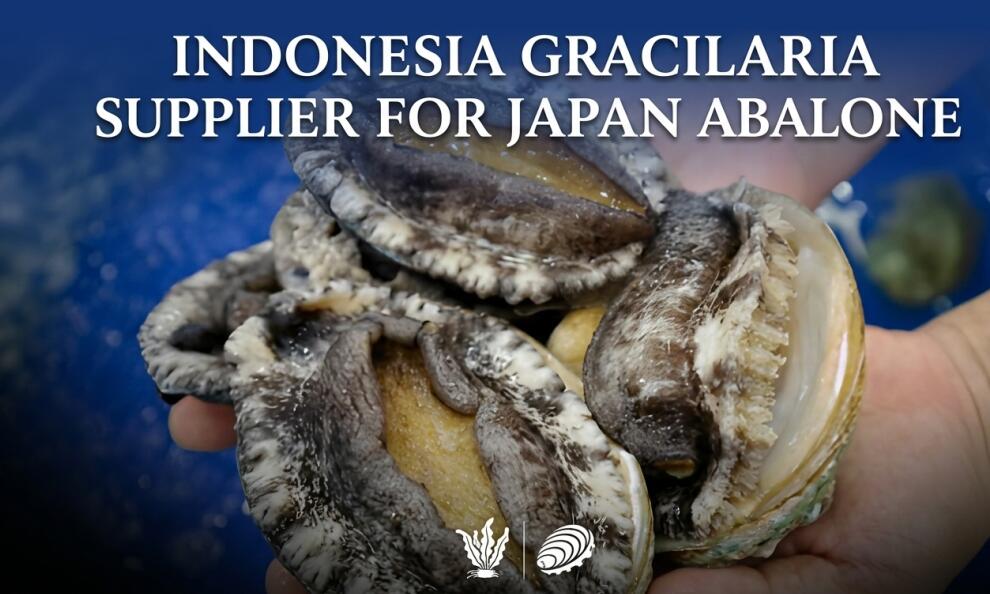
Eucheumacottonii.com – Japan’s abalone aquaculture industry continues to expand as demand for premium seafood grows in both domestic and international markets. Abalone is considered a high-value seafood product in Japan and is widely consumed in traditional cuisine, luxury restaurants, gift markets, and export channels. As production demand increases, aquaculture companies are continuously seeking efficient and sustainable ways to improve farming productivity while maintaining strict quality standards.
One of the most important factors in successful abalone farming is access to reliable and nutritious feed. Abalone requires a consistent diet to support healthy shell formation, improve growth rates, and maintain high survival rates during cultivation. Among various natural feed ingredients available in the market, Gracilaria seaweed has become one of the most preferred options because it closely resembles abalone’s natural food source in marine environments.
As a trusted Indonesia Gracilaria supplier, we provide high-quality dried Gracilaria for the growing Japan abalone feed market. Supported by abundant natural resources, experienced seaweed farmers, and efficient export capabilities, Indonesia has become one of the most reliable global sources for premium Gracilaria products.
Japan remains one of Asia’s largest consumers of abalone. The seafood is highly valued for its unique taste, nutritional value, and cultural significance in Japanese cuisine. In recent years, increasing consumer demand has encouraged aquaculture companies to expand production capacity.
However, maintaining healthy abalone farming operations requires high-quality feed that can support rapid growth without harming the environment. Traditional feed sources can be expensive or inconsistent in supply, creating challenges for aquaculture producers.
This situation has increased demand for natural seaweed-based feed ingredients such as Gracilaria because it offers several important advantages:
For Japanese abalone farmers, securing a stable supply of Gracilaria is essential to maintaining long-term operational stability.
In natural marine habitats, abalone primarily consumes various types of algae. In commercial farming systems, producers aim to replicate this natural diet by providing feed ingredients that promote healthy growth and maintain product quality.
Gracilaria offers several important benefits for abalone aquaculture:
Abalone requires minerals such as calcium, magnesium, and potassium for proper shell formation. Gracilaria naturally contains these minerals, helping improve shell strength and overall product quality.
The natural carbohydrate content found in Gracilaria helps provide sustainable energy needed for abalone growth and daily metabolic activities.
Its natural fiber content helps improve digestion and nutrient absorption, allowing abalone to utilize feed more efficiently.
Some bioactive compounds found in seaweed may help improve immunity and resistance to disease, reducing mortality rates during cultivation.
Since abalone naturally consumes algae, Gracilaria serves as a more natural feed option compared to synthetic alternatives.
These benefits make Gracilaria an excellent solution for abalone farms seeking higher productivity and better product quality.
Indonesia is recognized as one of the largest seaweed-producing countries in the world. The country has strong natural advantages that make large-scale Gracilaria cultivation highly efficient.
Indonesia’s tropical weather allows continuous cultivation throughout the year. This helps ensure stable supply availability for international buyers.
With thousands of islands and vast coastal areas, Indonesia offers ideal locations for large-scale seaweed farming.
Many coastal communities have cultivated seaweed for decades and possess valuable expertise in maintaining product quality.
Indonesia has thousands of hectares dedicated to seaweed farming, enabling suppliers to fulfill both small and large export orders.
Lower operational costs and abundant natural resources allow Indonesian suppliers to offer competitive pricing while maintaining high product standards.
These advantages have positioned Indonesia as a leading supplier for global seaweed markets, including Japan.
Japan maintains strict import standards for agricultural and marine products. Buyers require consistency in quality to ensure feed performance and food safety.
Important quality indicators include:
Proper drying helps preserve product shelf life and prevents mold growth during shipping and storage.
Gracilaria should be free from sand, dirt, foreign materials, and contaminants.
Uniform seaweed size helps improve feed processing efficiency for aquaculture operations.
Export packaging must protect products during international transportation and maintain product quality.
Reliable suppliers should provide complete export documents to ensure smooth customs clearance.
Meeting these standards is essential for maintaining long-term business relationships with Japanese buyers.
Choosing the right supplier is critical for Japanese aquaculture businesses. Supply disruptions or inconsistent quality can create operational problems and financial losses.
A trusted supplier should offer:
Reliable supply chain management helps reduce operational risks and ensures long-term business sustainability.
As global seafood demand continues to grow, sustainable aquaculture practices are becoming increasingly important. Japanese producers are actively looking for environmentally friendly feed solutions that can support long-term production growth. Gracilaria aligns with sustainability goals because it is naturally renewable, environmentally friendly, and supports coastal farming communities in Indonesia.
By partnering with trusted Indonesian suppliers, Japanese abalone producers can secure reliable access to premium feed materials while supporting sustainable international trade relationships.
If you are looking for a trusted Indonesia Gracilaria supplier for Japan’s abalone feed market, we are ready to support your business with high-quality products, reliable export services, and competitive pricing.
Our commitment to quality, consistency, and long-term partnerships makes us a dependable choice for Japanese buyers seeking sustainable Gracilaria supply solutions.
Contact us today to discuss your requirements and secure a reliable source of premium Gracilaria for your abalone farming operations.
