
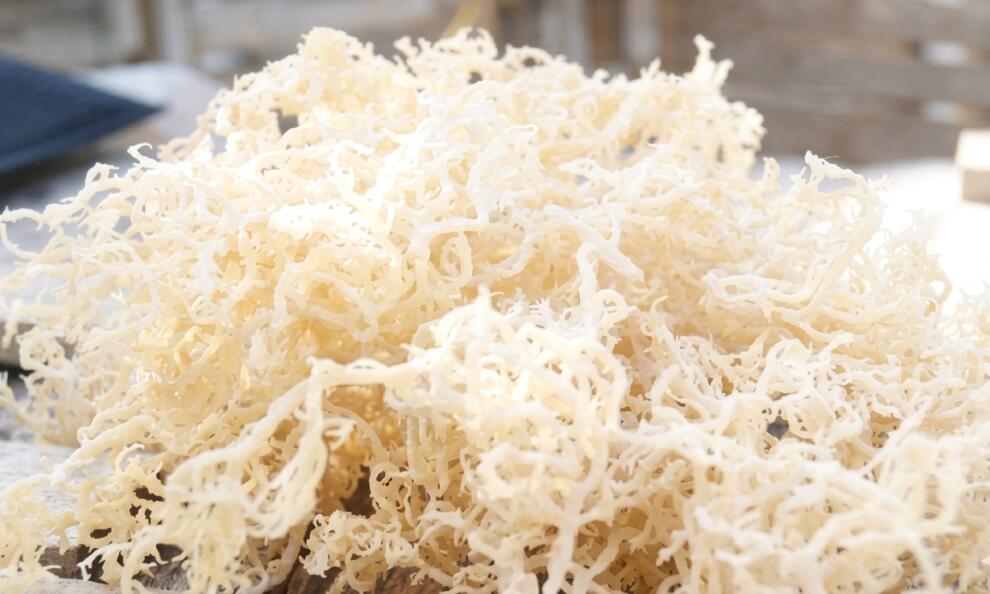
Eucheumacottonii.com – Dried seaweed has quietly moved from coastal staple to global pantry essential deservedly earning its place among the world’s most nutrient-dense superfoods. Lightweight, long-lasting, and intensely flavorful, dried seaweed (from varieties like nori, kombu, wakame, and dulse) packs an extraordinary concentration of vitamins, minerals, fiber, and unique bioactive compounds in every crisp sheet or flake.
For anyone interested in boosting nutrient intake with minimal calories, supporting thyroid and gut health, adding plant-based sources of omega-3s, or simply elevating dishes with a deep umami hit, dried seaweed offers a rare combination of culinary versatility and science-backed health potential.
Dried seaweed refers to edible marine algae that have been harvested, washed, and dehydrated for preservation and flavor concentration. Unlike many land plants, seaweeds absorb nutrients directly from seawater, which makes them particularly rich in elements like iodine, magnesium, calcium, and trace minerals that are otherwise harder to obtain from a typical Western diet.
The term “superfood” is often overused, but dried seaweed fits the description because it supplies multiple nutrients in meaningful quantities, contains low calories with high satiety potential due to fiber, and offers bioactive compounds such as fucoxanthin, phlorotannins, and sulfated polysaccharides that have been associated with antioxidant, anti-inflammatory, and metabolic benefits in scientific studies. In short, dried seaweed is nutrient-dense, multifunctional, and adaptable three attributes that qualify it as a modern-day superfood.
A single sheet or a small handful of dried seaweed delivers an impressive mix of macronutrients and micronutrients. While exact values vary by species, dried seaweed is generally low in calories and fat, modest in protein for a plant food, and high in fiber.
More importantly, it contains substantial amounts of iodine essential for thyroid hormone production and a spectrum of minerals like iron, calcium, potassium, and magnesium. Seaweeds also provide vitamins, notably B-vitamins (including folate) and vitamin K, and, depending on the variety, some vitamin A precursors. Many seaweeds contain plant-based omega-3 fatty acids such as EPA precursors, which can be especially valuable for people who avoid fish.
Beyond classic nutrients, the real differentiators are the polysaccharides (like alginate, carrageenan, and fucoidan) and polyphenolic compounds that have unique physiological effects, including modulating gut microbiota, binding heavy metals, and exerting antioxidant actions. The nutrient-to-calorie ratio is exceptionally high, which is why a small serving can meaningfully contribute to daily requirements.
Dried seaweed is linked to an array of health benefits some well-established, others emerging from promising research. First, iodine content supports healthy thyroid function, which in turn influences metabolism, energy levels, and cognitive health. For people with iodine deficiency, small amounts of seaweed can be a quick and effective source; however, because iodine varies widely among species, careful portion control is important to avoid excess.
Second, the fiber and polysaccharides in seaweed act as prebiotics feeding beneficial gut microbes, improving bowel regularity, and producing short-chain fatty acids that support colon health and metabolic regulation. Third, seaweeds’ antioxidant and anti-inflammatory compounds can reduce oxidative stress and inflammation, two processes implicated in chronic diseases like heart disease and type 2 diabetes.
Fourth, certain seaweed compounds have been studied for lipid-lowering effects, modest blood pressure benefits, and improved blood sugar control, offering potential cardiovascular and metabolic advantages.
Finally, seaweed’s mineral content especially calcium and magnesium supports bone and muscular health, while its umami-rich amino acids can help reduce sodium use in cooking by enhancing flavor without extra salt.
One of the biggest strengths of dried seaweed is its culinary adaptability. Nori sheets are ideal for sushi, rolls, and snackable roasted seaweed crisps. Kombu is commonly used to make broths and stocks its natural glutamates create a deep umami base perfect for soups, beans, and grains. Wakame rehydrates beautifully for salads and miso soup, while dulse flakes add a smoky, mineral-rich hit to salads, roasted vegetables, and sandwiches.
For everyday use, crush dried seaweed into flakes and sprinkle over rice, stir-fries, or roasted potatoes; blend it into smoothies for a mineral boost (start with tiny amounts); or steep kombu in warm water to make a mineral-rich cooking liquid for grains and legumes. Because dried seaweed is intensely flavored, a little goes a long way making it both cost-effective and powerful for improving the nutritional density and flavor of meals.
When shopping for dried seaweed, prioritize quality and source transparency. Look for reputable brands that provide harvesting location, species name, and processing standards wild-harvested versus farmed seaweed can differ in mineral content and contaminants. Choose seaweed that is clean, has a fresh ocean scent (not fishy or musty), and is free of visible debris. For preparation, rinse briefly or rehydrate according to the variety: nori needs little more than a quick tear for wrapping, while kombu benefits from soaking to soften fibers before cooking. Store dried seaweed in an airtight container away from moisture and direct sunlight to preserve flavor and texture; if kept dry, it can last many months. For frequent users, buying resealable packs or bulk sheets and breaking them into portions helps prevent waste.
While dried seaweed offers many benefits, it is not without potential risks. The most notable is iodine variability some seaweeds contain very high levels that can push intake beyond recommended limits, potentially disrupting thyroid function in susceptible individuals. People with thyroid disorders, pregnant women, and those on medications that interact with iodine should consult a healthcare provider before making seaweed a daily habit.
There is also the possibility of heavy metal accumulation (e.g., arsenic, cadmium, lead) in some wild seaweeds depending on water quality; choosing producers that test for contaminants reduces this risk. Additionally, because seaweed can enhance flavor, it may encourage lower-salt cooking, which is generally positive however, commercially processed seaweed snacks can be high in sodium and added oils, so read labels. Finally, introduce seaweed gradually into the diet to monitor for digestive responses, since the high fiber and unique polysaccharides may cause gas or changes in bowel habits in some people.
Sustainability is a major advantage of seaweed farming when done responsibly. Seaweed cultivation requires no fresh water, no fertilizer, and it actually helps coastal ecosystems by absorbing nutrients and supporting marine biodiversity. Well-managed seaweed farms can reduce eutrophication and provide livelihoods for coastal communities.
That said, not all seaweed harvesting is equal overharvesting wild beds or farming without environmental oversight can harm habitats. When possible, choose seaweed brands that adhere to sustainable harvest certifications, disclose harvest locations, and partner with local communities. Supporting transparent suppliers encourages responsible industry growth and ensures that this powerful superfood remains available for future generations.
